Lasagne Recipe

The ultimate make-ahead lasagne for busy weeks, hosting, and Centre Parcs prep!
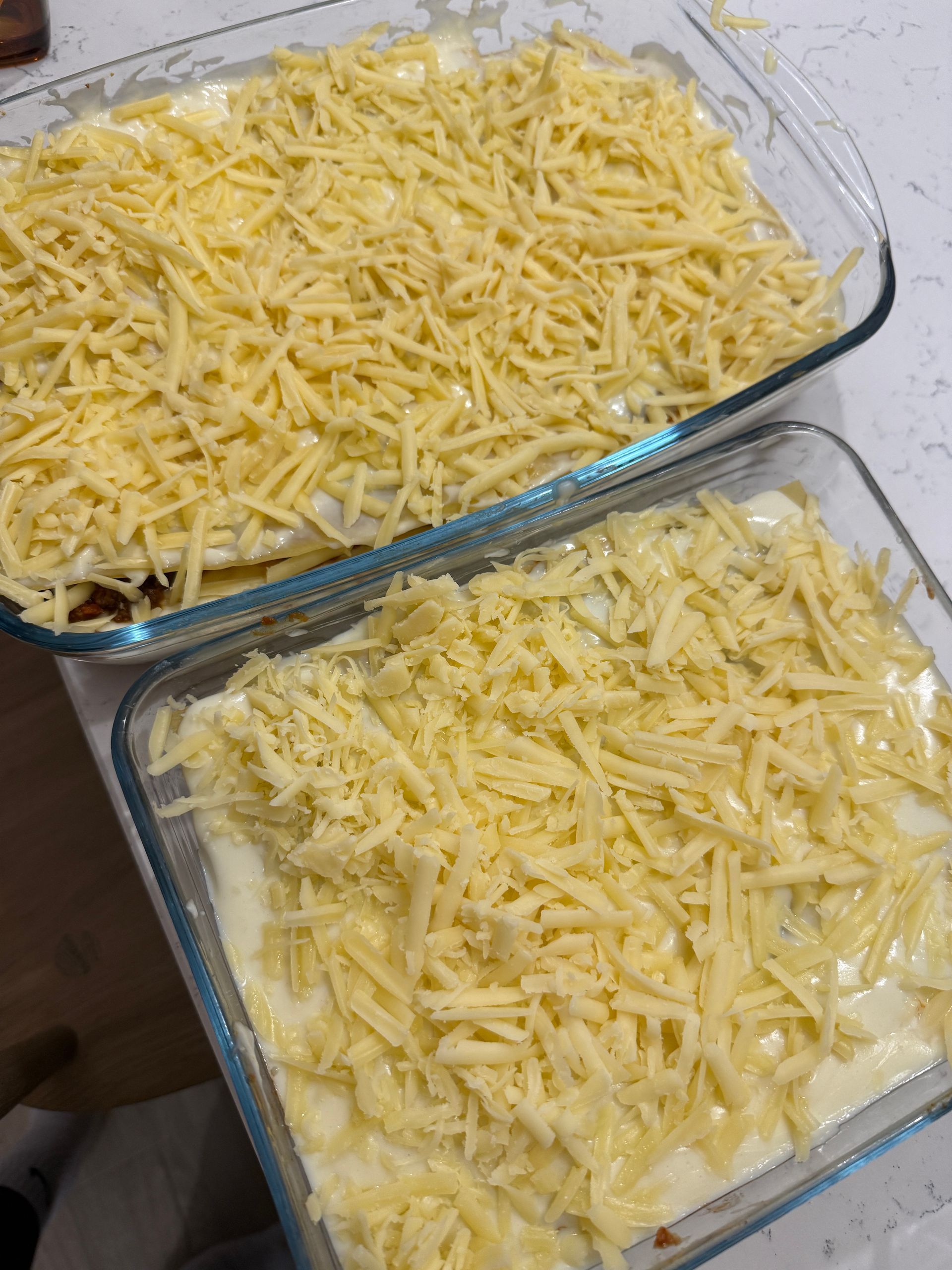
If you love meals that make life easier later on, lasagne is about to become your best friend.


This recipe isn’t just delicious—it’s perfect for batch cooking and freezing, so you’ve always got a proper homemade dinner ready to go.


Whether you cook it fresh or stash it away for another day, it’s one of those recipes you’ll be so glad you made… especially on the days you really can’t be bothered.


Here’s my go-to lasagne recipe for hosting, batch cooking, or prepping ahead for Centre Parcs—this one never fails me!


Serves 12


Ingredients


  • 2 tbsp olive oil
  • 2 onion, diced 
  • 3 carrot, diced 
  • 3 celery stalk, diced
  • 6 garlic cloves, finely sliced
  • 1kg Lean beef mince
  • 2-3 tbsp tomato purée
  • 2 x 400g tin chopped tomatoes
  • 500ml beef stock
  • 250ml red wine 
  • 2 tbsp Worcestershire sauce
  • 2 tsp Italian seasoning
  • 18-24  lasagne sheets (depending on the size of your baking dish)
  • 2 x 200g pack mozzarella, sliced
  • Approx 120g cheddar cheese, grated


For the white sauce

  • 100g butter
  • 100g plain flour 
  • 1100ml milk (any)


Method

  1. In a large pan, heat the olive oil and fry the onion, carrot & celery for 5 minutes, until soft. Add in the garlic and fry for another 1-2 minutes. Add the mince and cook until browned. Add the rest of the ingredients; wine, stock, Worcestershire sauce, tomato puree, chopped tomatoes & seasoning and bring to the boil. Once boiling, reduce the heat and leave to simmer on a medium heat for around 30-40 minutes, or until the liquid has reduced. Season to taste.
  2. Meanwhile, make the white sauce by melting the butter in a saucepan over a low-medium heat. Once melted, add the flour and cook on low for 1-2 minutes. Slowly add the milk whilst whisking to combine until you have a Loose sauce. Heat over a low/ medium hea, whilst whisking until the sauce thickens.
  3. Once both components are ready. You can assemble the lasagne into 2 large baking dishes. Start with 1/6 of meat mixture at the bottom of each dish, top with a few slices of mozzarella and then the lasagne sheets and the white pasta sauce. Repeat twice so each dish has 3 layers. Top the final layer with the grated cheddar. 
  4. At this point, either bake in the oven (fan 180C) for 45 minutes, or  allow to cool (for maximum of 90 minutes) and then cover & freeze.  When ready, defrost in the fridge and bake covered with foil for around 45 minutes. Uncover and cook for a further 15 minutes until the centre of the lasagne is piping hot or reaches 75C.


I'd recommend THIS thermometer (aff link) How to freeze.... everything!

This lasagne is always our go-to prep meal to prep ahead for any upcoming Center Parcs trips! Watch how we kept our Center Parcs food easy & to a budget here:

Check out more blogs here
by PH935075 30 March 2026
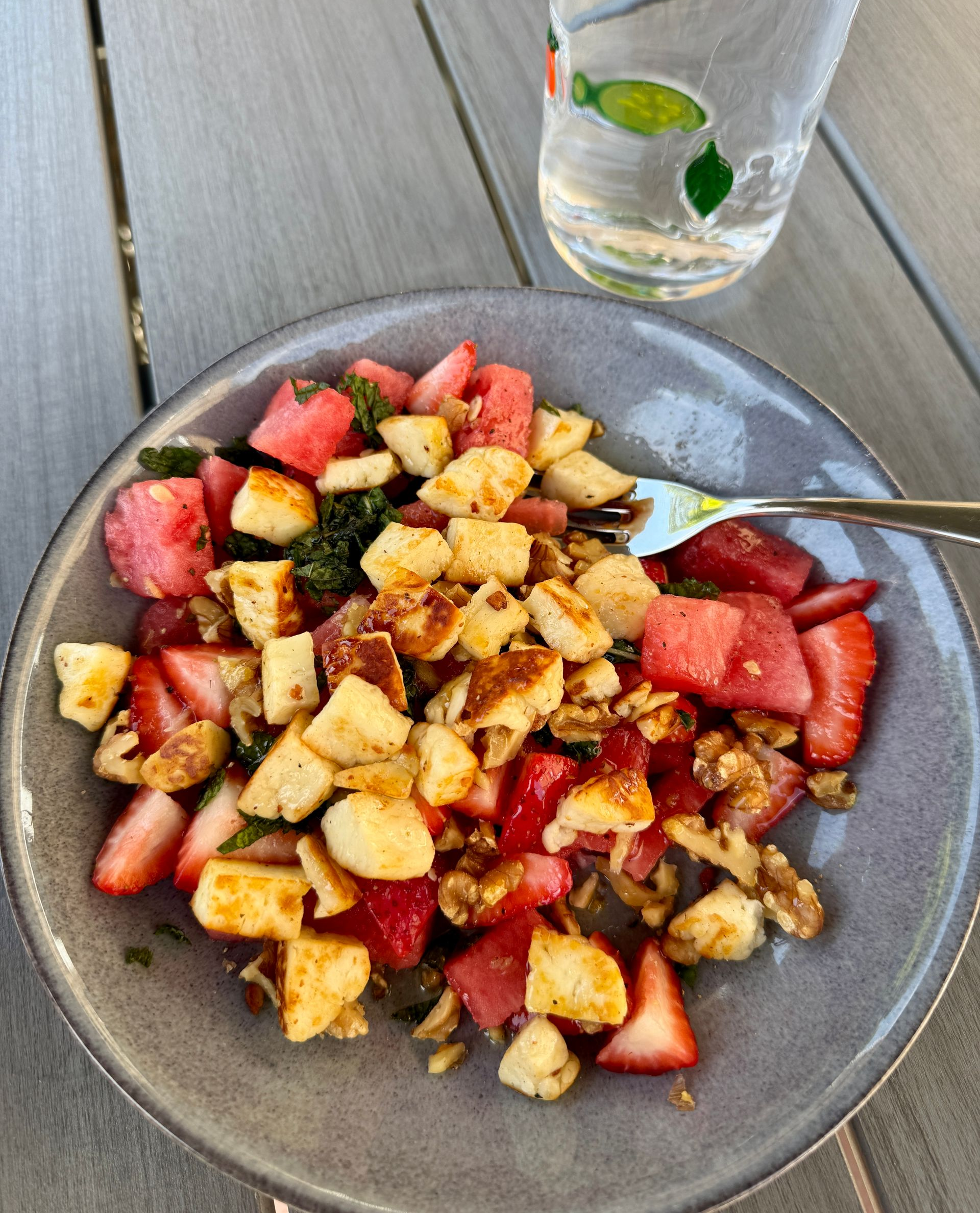
Planning a Center Parcs trip and not sure what to do about food? Here’s exactly what we prepped, packed and took with us to make things easy (and cheaper).
by PH935075 30 March 2026
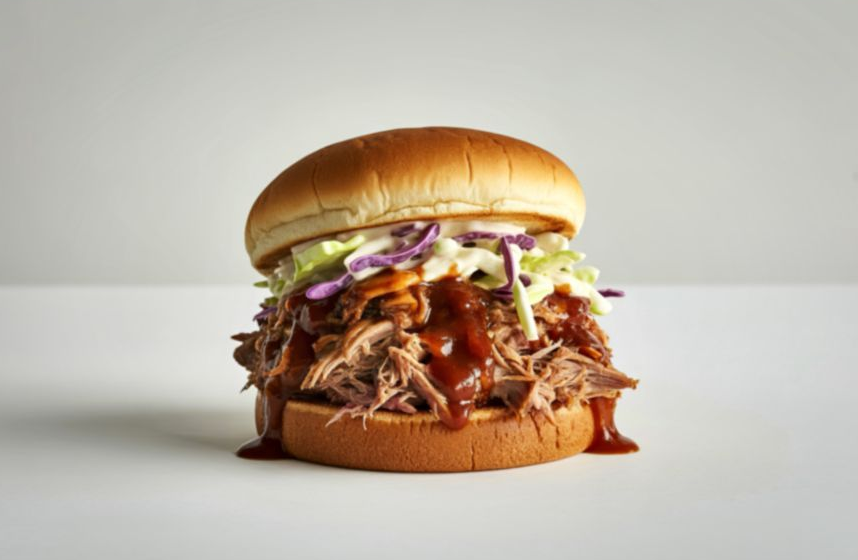
The ultimate freezer-friendly pulled pork for quick, easy meals
by PH935075 22 February 2026
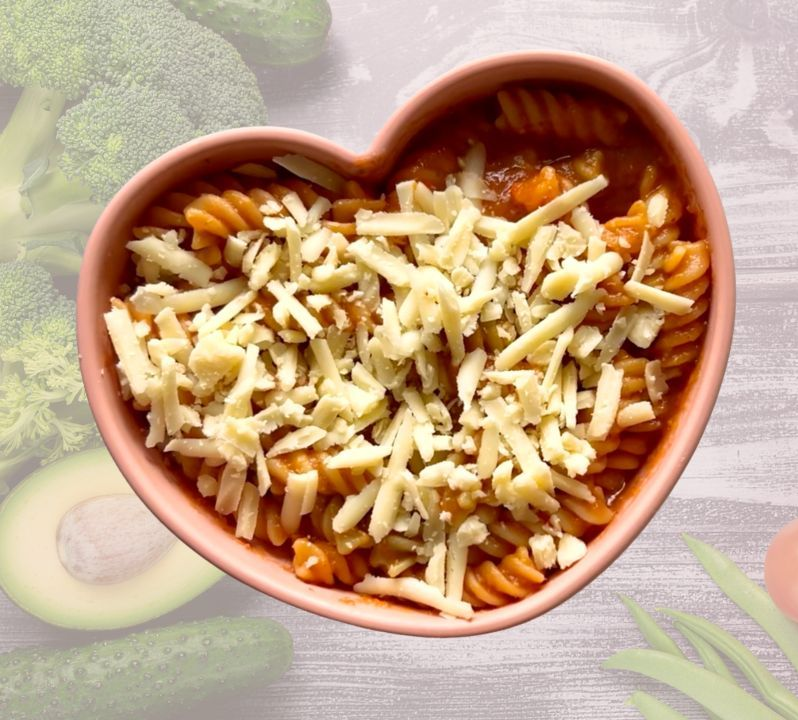
Hidden Veg Tomato Pasta Sauce
by PH935075 28 March 2025
Breakfast Muffins
by PH935075 28 March 2025
Baked Pancake Sheet
by PH935075 28 March 2025
Super Easy Granola!
by PH935075 28 March 2025
Crispy Sesame Sweet Chilli Chicken
by Jenna Brown 23 February 2025
Trying to feed 16 on a tight budget can be tough, until I realised the perfect solution….. A PIZZA PARTY! Click here for recipes, instructions & more!
by Jenna Brown 13 February 2025
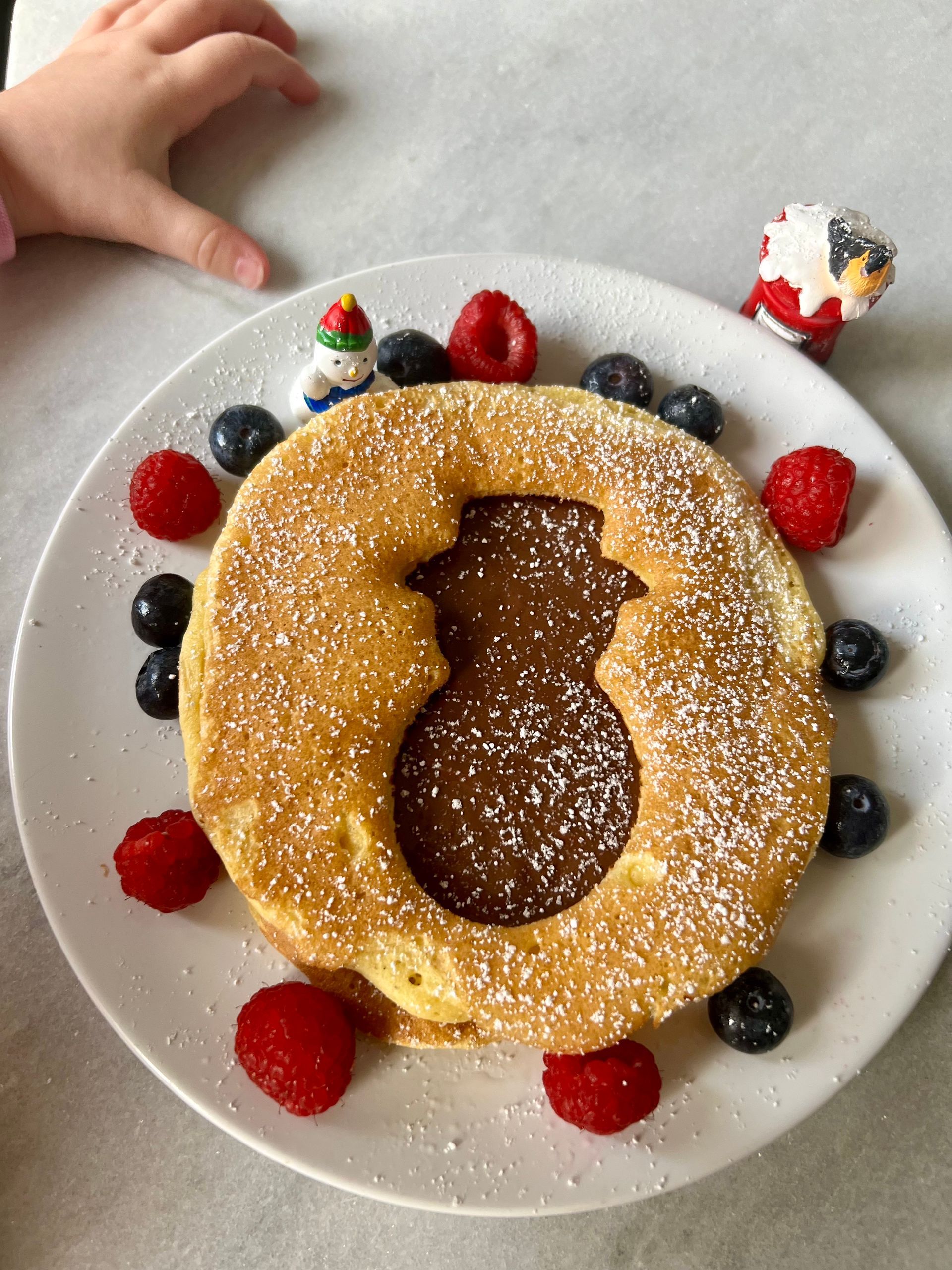
Freezable Fluffy Pancakes!
by Jenna Brown 11 January 2023
Whether you breastfeed, formula feed, exclusively pump or combination feed, chances are you have questioned yourself over sterilising; what needs to be sterilised , how often and until when?! When our babies are little, it’s our natural instinct to want to do everything we can to protect them! So… here’s a run down of what you NEED TO KNOW when it comes to protecting them from germs and bacteria when it comes to their own feeding equipment! BUT… Before we get into the detail of the ‘what, how and when’s’ of sterilising, I’ll start by answering the simple question of Why do we need to Sterilise?! The most important factor to point out here is that babies under 1 don’t have the same immune systems as us adults, or even older children. Sterilising will help kill any bacteria present in your baby’s feeding equipment, ultimately helping to protect your baby from infections that may cause your baby to suffer symptoms of sickness and diarrhoea. But don’t be daunted by the need to sterilise equipment! It really is straightforward once you get the hang of it and hopefully this blog will help you to answer some of your questions covering EVERYTHING you need to know about sterilising… What needs to be sterilised? Regardless of whether you are breast feeding or formula feeding, there is typically always something that needs sterilising! If you’re formula feeding…… Before every feed, you will need to make sure that all parts of your baby’s bottle have been sterilised; including the bottle, teat, lid and any internal parts of the bottle such as anti-colic venting tubes. If you’re breast feeding…… If expressing breast milk, the NHS advise that you should store expressed breast milk in sterilised containers or in special breast milk storage bags (which are pre-sterilised and ready to use straight away). When it comes to sterilising breast pump equipment, this isn’t an area where there is a lot of research so often advice regarding sterilising breast pumps can differ between professionals. In the UK, the NHS recommends that all equipment which comes into contact with your baby’s milk (including equipment used to collect, store or feed expressed breast milk) is sterile. However, the Association of Breastfeeding Mothers, along with the Academy of Breastfeeding Medicine, advise that after sterilising before first use, subsequently washing breast pump parts with hot soapy water is sufficient for healthy babies . Ultimately, how often you choose to sterilise your breast pump equipment will be your own personal decision taking into account the health of your baby, what you feel comfortable with and are able to realistically sustain on a daily basis. It’s important to remember though that sterilising will always help to add an extra layer of protection for your baby; which may be particularly important if your baby is less than 3 months old, was born prematurely or has a weakened immune system. If you haven’t used your pumping equipment in a while though, it’s always best to sterilise before using. Anything else you need to sterilise? As well as baby’s feeding equipment (such as bottles), it is also a good idea to sterilise other items which regularly go into baby’s mouth like dummies for the first six months of baby’s life - especially as these items seem to always end up on the floor! Is it Necessary to Sterilise Weaning Equipment? Once you’ve finally mastered sterilising baby bottles, it is then time for weaning! Along with a whole raft of questions you may have about weaning, in those early days you might wonder…. “ Do I need to sterilise weaning equipment?!” Rest assured… if you’re weaning around the recommended age of 6 months, then there is no need to sterilise the equipment you use for food such as bowls, spoons or cups and washing in hot soapy water or using a dishwasher will be sufficient for these weaning essentials. However, if you decide to wean before 6 months, it is recommended by the NHS that you do sterilise baby’s feeding equipment until they reach 6 months. Don’t forget though that it is always important to follow good food hygiene practices at any age! Check out some of my other blogs about preparing first foods as well as tips on storing, defrosting and reheating your baby’s food here.
Show More